Why Fall AC Maintenance Matters More in Phoenix This Year
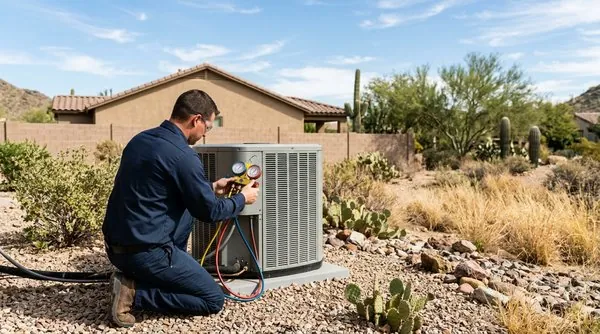
Your air conditioner just finished one of the hottest summers Phoenix has ever recorded, and fall is when you find out what that cost you. Booking the AC maintenance Phoenix homes need right now gives you a real head start, because technician schedules are open, small problems are still cheap, and you have months of runway before the heat returns. Below, we walk through what this year did to your system and what a proper tune-up should cover.
What a Record Summer Did to Your System
Phoenix heat ages an air conditioner faster than almost any other climate in the country, and 2026 pushed harder than most years. The National Weather Service issued 47 excessive heat warning days this year, with the first one landing on March 19, the earliest on record, and the Valley logged 39 days above 110 degrees.
Months of that workload leave a mark. Your compressor ran longer cycles, your capacitors sat under constant electrical load, and your condenser fan motor spun through hundreds of extra hours. None of that shows up as a breakdown right away, though. Instead, it shows up as worn parts that quit the following June. We broke down how desert conditions shorten equipment life in our guide to why Phoenix AC units die early, and the short version is that heat plus dust is a brutal combination for any system.
Why This Year's Dust Storms Changed Things
If your system ran through August, it almost certainly pulled in more dust than usual. Phoenix was hit by back-to-back Category 5 haboobs in early August, only the fifth and sixth storms of that severity in 16 years of monitoring, according to Arizona State University researchers. Monsoon rain also came in below normal, so much of that dust settled instead of washing away.
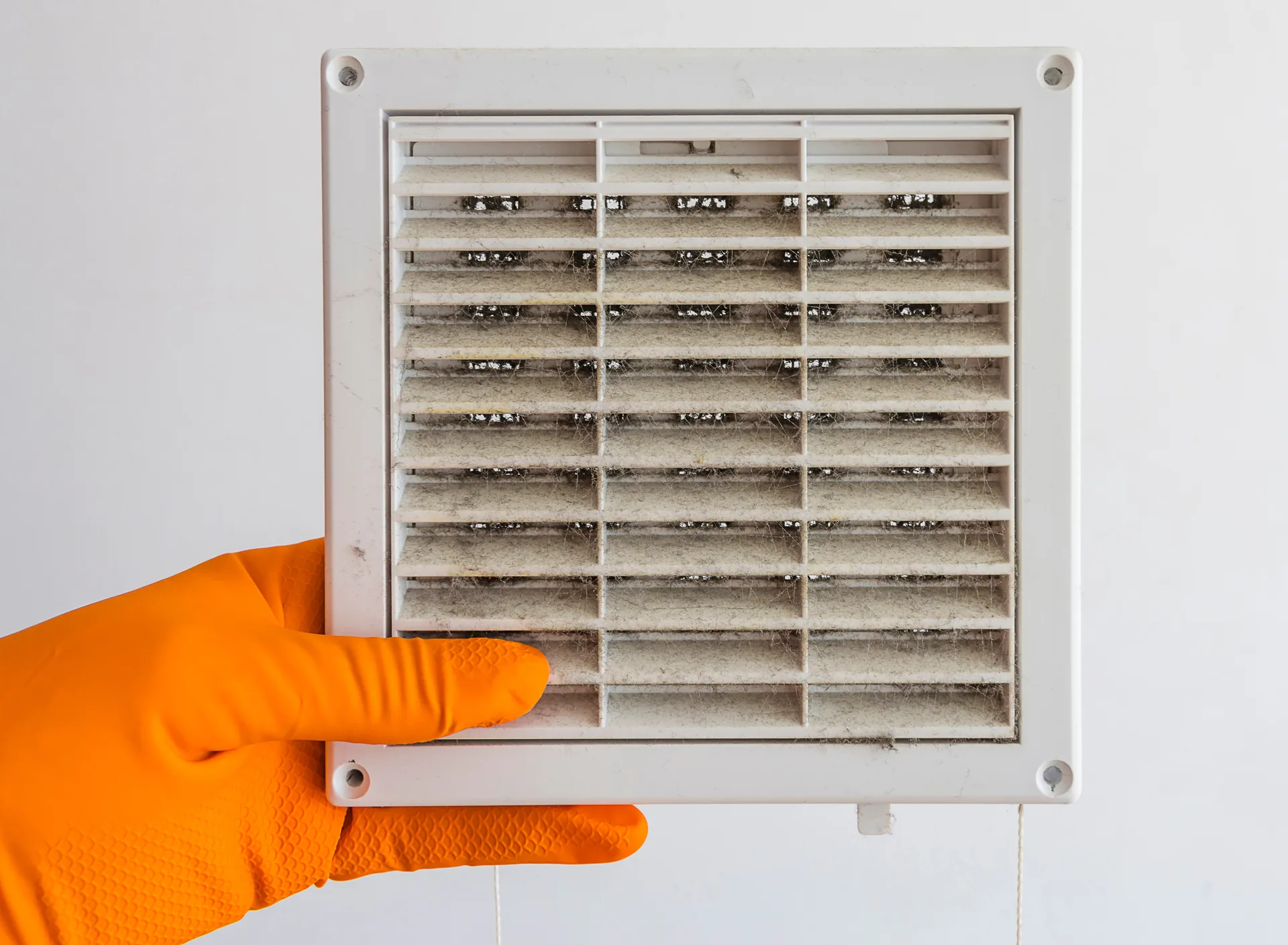
Unfortunately, dust does not stay outside. It works in through duct gaps, attic penetrations, and door frames, then lands on your evaporator coil, your filter, and the inside of your ductwork. Over time, that buildup chokes airflow and forces your blower motor to strain. If you have noticed dustier surfaces or more sneezing since August, your ducts are the likely culprit, and an indoor air quality check can be done during the same visit.
What a Fall AC Tune-Up Should Include
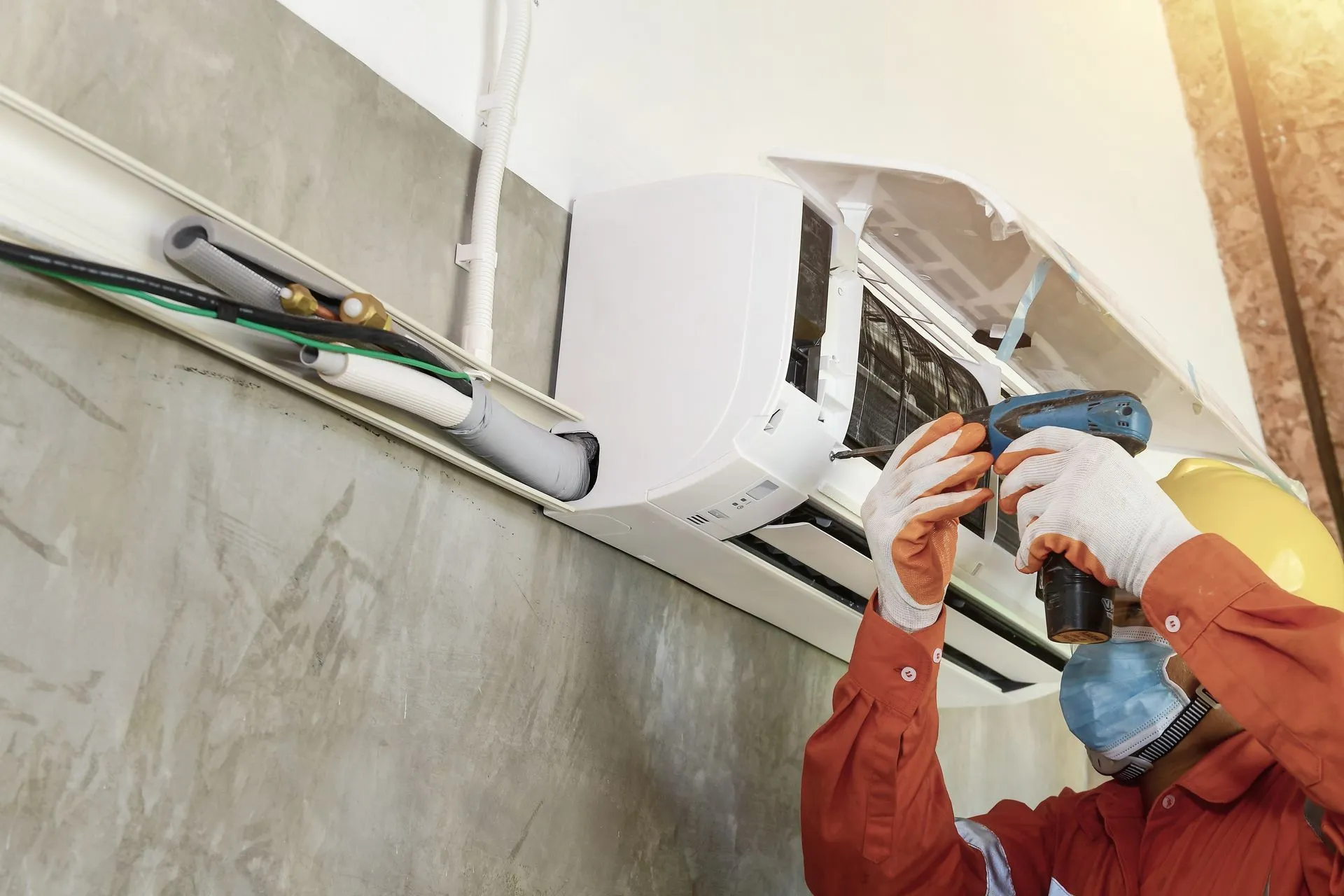
A real tune-up is a full inspection, not a filter swap. When you book AC maintenance with our team, here is what the visit covers and why each step earns its place.
| Tune-Up Task | Why It Matters |
|---|---|
| Clean evaporator and condenser coils | Dust on the coils blocks heat transfer and raises your bills |
| Check refrigerant charge and test for leaks | A low charge strains the compressor, your costliest part |
| Test capacitors, contactors, and wiring | Weak capacitors cause most summer no-cool calls |
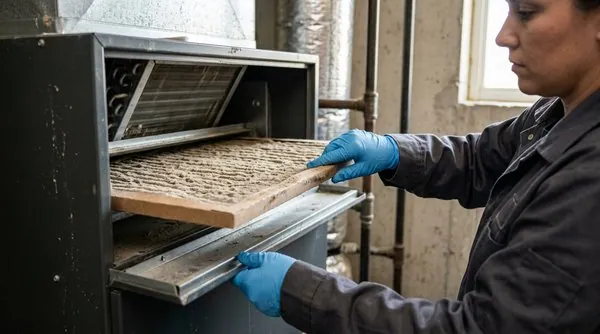
| Replace or clean the air filter | Restores the airflow your system needs to cool efficiently |
| Clear the condensate drain line | A blocked line backs up and causes water damage |
| Inspect ducts for leaks and dust | Leaky ducts waste cooled air and pull in attic dust |
| Calibrate the thermostat | A reading that is a few degrees off runs your system longer than needed |
That filter step matters more than people expect. According to the U.S. Department of Energy, swapping a clogged filter for a clean one can lower an air conditioner's energy use by 5 to 15 percent.
Why Fixing Small Problems Now Costs Less
Repairs are cheaper and far easier to schedule in the off-season. A weak capacitor caught in October is a routine part swap during a planned visit. That same capacitor failing on a 112-degree afternoon becomes an emergency AC repair call, usually with a wait, because every contractor in the Valley is booked solid.
You also get something money cannot buy in July, and that is time. You can ask questions, get a second opinion, and make a decision without sweating in your own living room.
How the 2026 Refrigerant Rules Affect Older Units
If your AC runs on R-410A refrigerant, a small leak matters more than it used to. Under the AIM Act, the EPA is phasing down production of HFC refrigerants by 85% by 2036, and new residential systems built since January 2025 use lower-impact A2L refrigerants such as R-454B and R-32 instead.
Servicing your existing R-410A system is still perfectly legal, so there is no reason to panic. Supply is tightening, though, and prices have climbed steadily. A pinhole leak found this fall is a straightforward repair. That same leak discovered after your charge has bled out in July can push the bill uncomfortably close to the cost of a new system.
Signs You Need a Replacement Instead of a Tune-Up
Maintenance cannot undo age, so watch for these warning signs:
- Your unit is more than 10 years old, which is when ENERGY STAR suggests considering a replacement.
- Your energy bills have climbed with no change in your habits.
- Rooms that used to cool quickly now take much longer.
- The system turns on and off more often than it used to.
- You hear grinding, rattling, or squealing during operation.
- You have already paid for two or more repairs this year.
If several of those apply to your home, talk with your technician about AC installation now rather than next summer. Planning in the fall lets you compare systems, review financing, and choose an A2L-compliant unit on your own timeline.
FAQs About AC Maintenance
How often should I schedule AC maintenance in Phoenix?
Twice a year works best here. Schedule one visit in the fall after the cooling season ends and another in the spring before the heat arrives, since our systems run far more hours than they would in a milder climate.
Is fall really better than spring for a tune-up?
Yes, for most homeowners. Technicians have open schedules in October, so you get flexible appointment times and faster service. You also catch summer damage while there is still time to fix it without pressure.
Can a tune-up actually lower my energy bill?
It can. Dirty coils, a clogged filter, and a low refrigerant charge all force your system to run longer to hit the same temperature. Clearing those issues lets it reach your set point faster and shut off sooner.
What should I do about the dust that got in during the August haboobs?
Ask your technician to look specifically at your coils and ductwork for particulate buildup. Depending on what they find, duct sealing or professional cleaning may be worth adding to the standard tune-up.
Does my AC need to be replaced just because it uses R-410A?
No. You can keep servicing an R-410A system for years. Just keep in mind that refrigerant costs are rising, so a leaking older unit is worth a replacement conversation.
Schedule Your Fall Tune-Up With Xtreme Air
Fall is the easiest and most affordable time to protect your home comfort, so do not wait until next June to learn what this summer did to your AC. Xtreme Air, Inc. has served Phoenix and the surrounding Valley since 2006 with NATE-certified technicians, honest recommendations, and flexible scheduling.
Call us at (602) 296-4932 to book your visit, and take a look at our current specials and financing options before you schedule.
SHARE THIS ARTICLE
OUR RECENT POSTS