
Indoor Air Quality in Avondale: What’s Really in Your Air?
The air inside your Avondale home is often dirtier than the air outside. That catches most homeowners off guard, but the reason is simple. Desert dust, a dry monsoon season, and a filter that was never built to clean the air you breathe all add up. Below, you’ll learn what’s actually floating around your house and what fixes it.
Why Avondale’s Indoor Air Is Worse in 2026
Your indoor air is worse this year because the dust arrived without the rain.
Dust storms rolled through the Valley all summer, but the rain that normally rinses those particles away never fully showed up. By late August, Phoenix had recorded about 1.25 inches of monsoon rain, roughly 0.4 inches below normal for that point in the season.
Without that rinse cycle, fine dust sits on roofs, patios, and gravel yards for weeks longer than usual. Then it moves indoors through gaps around doors, window seals, and your return air pathway. Once inside, it settles into carpet, furniture, and lungs.
The wider picture backs this up. In the American Lung Association’s 2026 State of the Air report, the Phoenix-Mesa metro ranked 4th worst in the country for ozone pollution, and more than 1.3 million Arizona children are breathing unhealthy levels of air pollution. In other words, this isn’t a niche problem. It affects families across Avondale and the surrounding West Valley every single day.
Your AC Filter Is Not Protecting Your Health
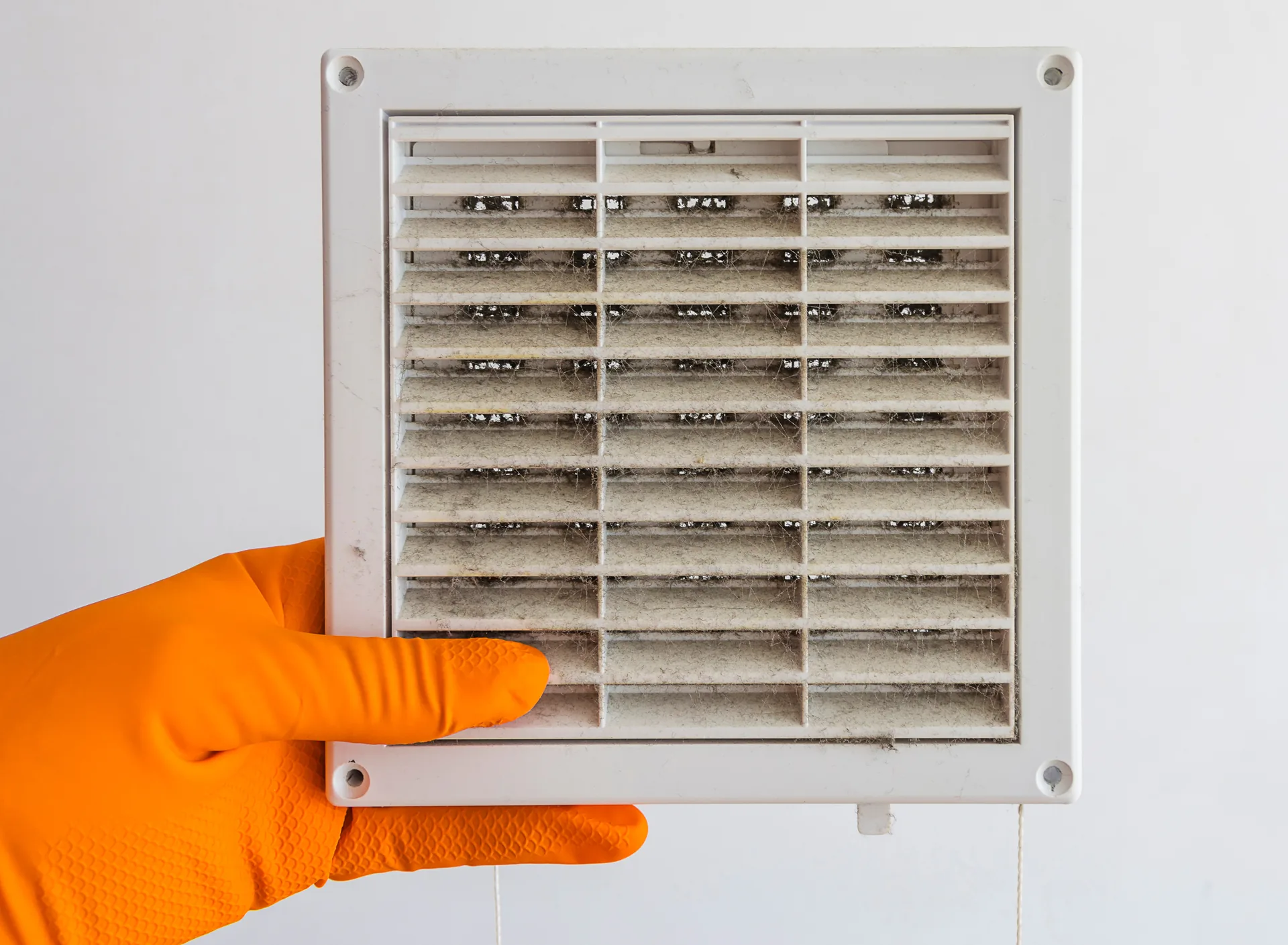
A standard 1-inch filter protects only your equipment and not your lungs. Those filters catch large debris like lint and hair before it reaches your blower motor and coil. But they can’t trap the tiny particles that trigger allergies and asthma.
Here’s what passes right through a basic filter:
- Pollen and mold spores
- Dust mite waste
- VOCs from cleaning products, paint, and new furniture
- Fine outdoor particulates from dust storms and traffic
Worse, whatever slips through gets recirculated every time your air handler runs. During peak summer, a Phoenix-area system can run 14 to 20 hours a day. That’s a lot of laps for the same dirty air.
Regular AC maintenance helps keep coils and blowers clean, and it’s also one of the main reasons Phoenix AC units wear out early when it’s skipped. Still, maintenance alone won’t filter what your filter can’t catch. If anyone in your home has asthma or allergies, a basic filter is a bare minimum, not a solution.
What Actually Improves Your Indoor Air
Each option below handles a different part of the problem, which is why a professional indoor air quality assessment matters. The right mix depends on your home’s layout, your ductwork, and who lives there.
| Solution | What It Does | Best For |
|---|---|---|
| High-efficiency filtration | Captures particles down to 0.3 microns using HEPA-grade or high-MERV media | Dust, pollen, and general allergy relief |
| Whole-home air purifier | Installs into your ductwork and neutralizes contaminants with UV light, ionization, or carbon | Odors, germs, mold spores, and VOCs |
| Mechanical ventilation | Brings in filtered fresh air and pushes out stale indoor air | Tightly sealed newer homes |
| Humidity management | Balances the very dry air common in Arizona homes | Dry throat, irritated sinuses, cracked skin |
One important note on filtration: the filter has to match your system’s airflow. A filter that’s too dense will choke your equipment and cost you efficiency, so this is worth having sized by a technician rather than guessing at the hardware store.
Signs Your Home Has an Air Quality Problem
You likely have an air quality problem if dust returns faster than you can clean it. Beyond that, watch for these signs:
- Family members wake up congested, even without a cold
- Allergy symptoms feel worse indoors than outside
- A stale or musty smell shows up whenever the AC kicks on
- Surfaces need dusting every few days instead of weekly
- Someone in the home has asthma or another respiratory condition
Even two of these together suggest your current setup isn’t keeping up. Fortunately, a professional evaluation can pinpoint the cause quickly.
The Best Time to Upgrade Is Before You Close Up the House
Fall is the smartest time to upgrade because your home is about to be sealed shut for months.
September in Avondale still brings heat, so your AC is still running and monsoon dust is still settling. As soon as temperatures drop and windows stay closed, whatever is already in your air gets trapped and concentrated. Handling it now means you start the cool season clean instead of playing catch-up in January.
There’s a practical upside too. Cleaner air often means fewer allergy flare-ups, better sleep, and fewer sick days at home. If cost is a concern, take a look at the current specials and financing options before you schedule.
FAQs About Indoor Air Quality in Avondale
Can I just buy a higher-MERV filter and be done?
It helps, but only to a point. Denser filters restrict airflow, and one that’s too restrictive for your system can lower efficiency and damage equipment over time. A technician can match the right filter rating to your specific unit.
How long does a whole-home air purifier installation take?
Most installations are finished in a few hours. The unit mounts into your existing ductwork, so there’s no major construction, and your system is usually running again the same day.
Will improving my indoor air quality raise my energy bills?
Done correctly, no. A properly sized filtration upgrade shouldn’t noticeably change your energy use. In some cases, a cleaner system runs a little more efficiently.
Does indoor air quality equipment need maintenance?
Yes. Filters need periodic replacement, and UV bulbs have a service life of roughly one to two years. Your HVAC provider can fold this into your regular tune-up schedule so nothing slips.
Is indoor air quality a bigger deal in Avondale than elsewhere?
The data says yes. Between the metro area’s ozone ranking, desert dust, a dry 2026 monsoon, and the long hours our AC systems run, local homes face more pressure than most.
Breathe Easier at Home
Your family deserves clean air, not just filtered equipment air. Call Xtreme Air, Inc. at (602) 296-4932 for a professional indoor air quality assessment. We’ll tell you exactly what your home needs and skip what it doesn’t.
SHARE THIS ARTICLE
OUR RECENT POSTS